
© Copyright 2026 Tella (New Zealand) Limited. All Rights Reserved. Powered by Tella.
29 minute read
NZ Rising Build Costs: How to Upgrade Without Blowing Budget
Worried about rising residential construction costs? Learn how to leverage equity, use turnkey contracts, and finance your next home build in New Zealand.
Nurain Nadzirah
27 July 2026
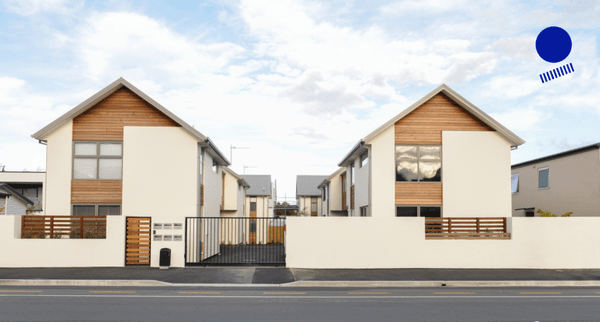
Seeing headlines about residential construction costs hitting a three-year high—climbing at their fastest pace in almost three years—is enough to give anyone pause, especially if you're planning to trade up or downsize.
It’s natural to wonder if now is really the right time to make your next move.
But before putting your building or off-the-plan goals on hold, let’s look at why stepping into a new build today might actually save you money down the track.
Construction Costs and Buyer Demand for NZ Next-Home Buyers
• Build Costs Hit Fastest Pace since Mid-2023: Residential construction costs rose 1.1% in Q2, pushing annual growth to 3.5%. Growth is picking up again, but it remains steady and controlled.
• Building Activity is Rebounding: Annual dwelling consents have climbed from under 34,000 to more than 39,000, as builders and developers gear back up.
• Buyers Are Moving Again: Lower interest rates and stabilized house prices are encouraging first-home buyers and active movers to secure new properties.
The Big Takeaway for Upgraders
If you're looking to trade up from your existing home into a larger, higher-spec, or custom-built family home, waiting for building costs to drop is rarely a winning strategy.
Historically in New Zealand, construction costs tend to stabilise or level off. They almost never roll backward. Holding off on the sidelines often just means paying more later for the exact same build down the track.
How Next-Home Buyers Can Upgrade Without Blowing the Budget
Upgrading your lifestyle doesn't mean taking unnecessary financial risks.
Here are 4 key strategies we use to help next-home buyers navigate rising build costs:
1. Leverage Existing Equity Wisely
If you’ve owned your current home for a few years, chances are you've built up substantial equity. We can help you structure that equity as a deposit buffer or bridging solution for your new project, minimizing the need for high-LVR borrowing.
2. Lock in Price Certainty with a Turnkey Contract
With a Turnkey package, you generally pay a deposit upfront (typically 10%) and the balance only upon settlement and completion. This locks in your purchase price from day one and protects you from mid-build material cost increases. This allows you to stay comfortably in your existing home during construction.
Looking for verified turnkey options or turnkey house and land packages? You can browse current available listings through our trusted partner platform, New Homes.
3. Set Up a Realistic Contingency Buffer
For custom build contracts with progress payments, lenders look closely at cost estimates. Factoring a dedicated contingency buffer (typically 10%–15%) into your overall finance approval protects you from unexpected out-of-pocket shortfalls midway through the build, such as variation costs or price fluctuations.
4. Unlock Green & Energy-Efficient Rate Discounts
Upgrading to a modern, energy-efficient build often qualifies you for special discounted fixed/floating interest rates or cashback incentives from major lenders, lowering your ongoing monthly repayments.
The Bottom Line
Rising construction costs don't mean you need to put your upgrading plans on hold. They simply mean you need a smarter, more proactive financing strategy.
Is your financing strategy ready for what's next?
Whether you're looking to unlock equity from your current home, explore turnkey options, or looking into securing bridging finance, our team is here to guide you every step of the way.
This article is for informational purposes only. It does not consider your personal financial situation or objectives. Please consult with [Tella](tella.co.nz) mortgage and financial experts before making any decisions regarding your mortgage or debt strategy.
Category:Newsletters
Category:
Newsletters